


Virtual Assistant Hiring Mistakes (7 Common Errors to Avoid)
Updated: Dec 31, 2025
Hiring your first virtual assistant should feel like a game-changer for your business. Instead, many entrepreneurs end up frustrated, overwhelmed, and wondering why their VA relationship isn't working out. The problem usually isn't the virtual assistant: it's the approach to hiring and managing them.
Research shows that 68% of small business owners who hire virtual assistants report initial challenges with delegation and communication. The good news? Most of these issues stem from seven common, completely avoidable mistakes that trip up even experienced business owners.
Whether you're considering your first virtual assistant hire or looking to improve your current working relationship, understanding these pitfalls can save you time, money, and significant frustration.
What This Post Covers
The most common virtual assistant hiring mistakes
Why these mistakes happen
How to avoid costly hiring and onboarding errors
Why Avoiding Virtual Assistant Hiring Mistakes Matters
Virtual assistant hiring mistakes often occur when business owners rush the process or fail to clearly define expectations. Hiring the wrong support can lead to communication breakdowns, inconsistent execution, and wasted onboarding time. Understanding where hiring typically goes wrong allows entrepreneurs to build stronger working relationships, protect their time investment, and ensure long-term operational success.
Mistake #1: Over-Glamorizing Entrepreneurship
Many business owners make the critical error of constantly highlighting how amazing entrepreneurship is during conversations with their virtual assistants. While enthusiasm for your business journey is natural, repeatedly emphasizing the freedom, flexibility, and financial potential of running your own company can backfire spectacularly.
Your virtual assistant hears these stories and starts thinking, "Why am I helping someone else build their dream when I could be building my own?" This mistake has led countless business owners to inadvertently train their best virtual assistants to become their future competitors.

The Solution: Focus conversations on the value they bring to your business, the skills they're developing, and the impact of their work. Share your entrepreneurial journey when relevant, but don't make it the centerpiece of every interaction.
Mistake #2: Skipping the Onboarding Process
The fastest way to set your virtual assistant up for failure is to throw them into the deep end on day one without proper preparation. Many entrepreneurs assume that because someone is experienced as a VA, they can immediately understand their business processes, communication style, and expectations.
This approach creates unnecessary stress for both parties. Your virtual assistant spends valuable time guessing what you want, while you spend time correcting work that doesn't meet your unstated standards. The result is often a rocky start that damages the working relationship before it has a chance to develop.
The Solution: Develop a structured onboarding process that includes:
A comprehensive overview of your business and industry
Clear documentation of your communication preferences
Access to necessary tools and systems
Initial training on your specific processes
A gradual introduction to responsibilities over the first week
At ENK Professional Services, our initial VA consultation helps establish these foundations before work begins.
Mistake #3: Being Vague About What "Done" Means
Assuming your virtual assistant automatically knows what completion looks like for any given task is a recipe for disappointment. When you assign something like "write a blog post," your definition of done might include research, writing, formatting, adding images, optimizing for SEO, and scheduling publication. Your VA might think done means submitting a draft document.
This miscommunication wastes time on both sides and creates frustration. You end up doing additional work you expected to be completed, while your VA feels criticized for not meeting unclear expectations.
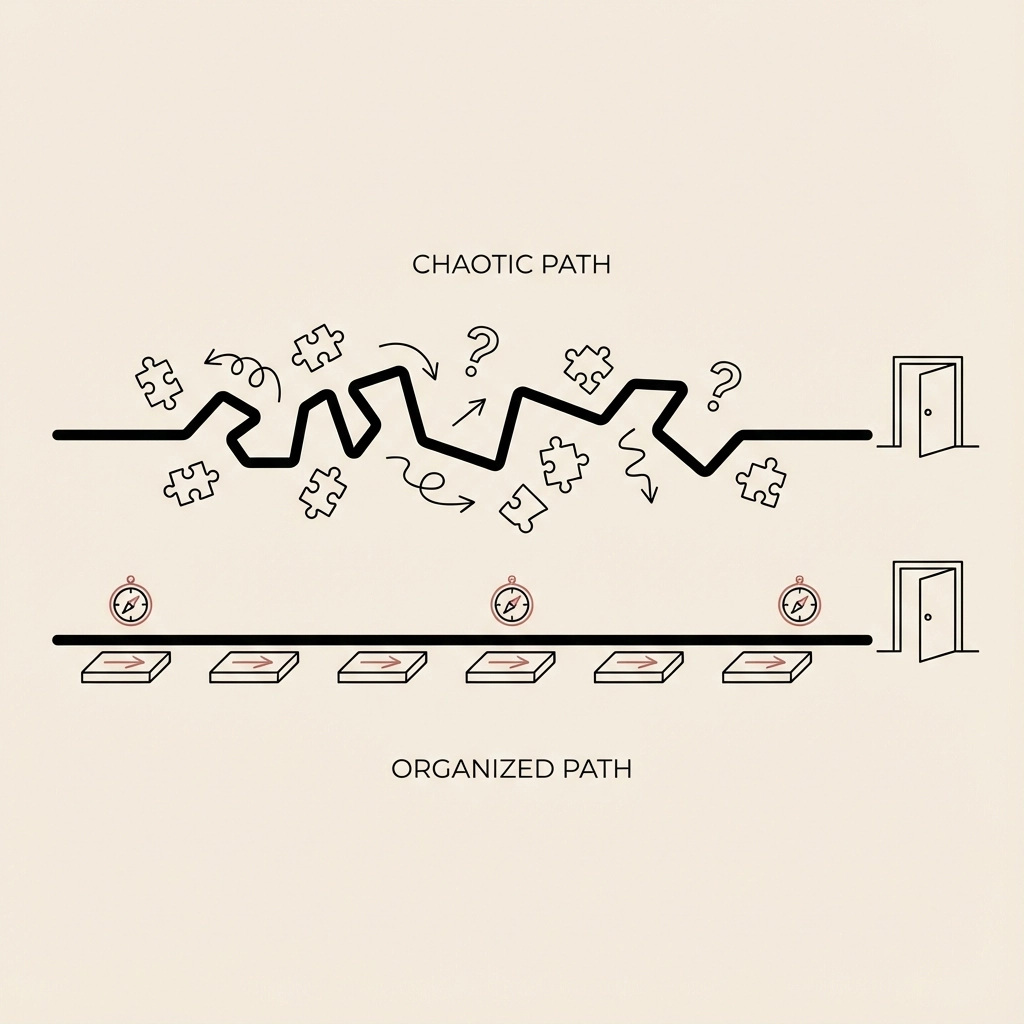
The Solution: Create detailed task descriptions that specify exactly what completion includes. For every assignment, clearly outline:
The specific deliverables required
The format you expect
Any supporting elements needed (images, links, formatting)
The deadline and preferred delivery method
Success criteria that define quality standards
Mistake #4: Keeping Your VA Disconnected From Results
Virtual assistants perform significantly better when they understand how their work impacts your business outcomes. Many business owners treat VAs like task-completion machines without sharing the bigger picture of how their contributions drive growth, revenue, or customer satisfaction.
This disconnect reduces motivation and prevents your VA from making intelligent decisions about prioritization or suggesting improvements. They're operating in a vacuum instead of as a strategic team member.
The Solution: Regularly share how their work contributes to business goals. If they manage your email inbox, explain how their responsiveness improves customer relationships. If they handle content creation, show them engagement metrics and lead generation results. This context transforms their role from task execution to strategic support.
Mistake #5: Treating Your VA Like a Vendor Instead of a Team Member
The relationship you build with your virtual assistant directly impacts the quality of work and longevity of the partnership. Entrepreneurs who maintain a strictly transactional relationship: treating VAs as external vendors rather than team members, consistently experience higher turnover and lower engagement.

This approach limits collaboration, reduces initiative, and prevents the development of the institutional knowledge that makes VAs increasingly valuable over time.
The Solution: Invest in building a genuine working relationship. Include your VA in relevant team communications, ask for their input on processes they manage, and acknowledge their contributions to successes. Small gestures like remembering personal details and celebrating milestones significantly improve retention and performance.
Mistake #6: Undervaluing Their Worth
Offering below-market rates is a false economy that guarantees your virtual assistant will leave as soon as they find better compensation elsewhere. Many business owners focus solely on hourly rates without considering the true cost of constant turnover, training new assistants, and managing low-quality work from underpaid professionals.
Research indicates that competitive compensation is the strongest predictor of virtual assistant retention. Skilled VAs have multiple options, and they'll consistently choose employers who recognize their value through appropriate payment.
The Solution: Research current market rates for the specific skills and experience level you need. Factor in the cost of turnover when evaluating compensation decisions. Remember that a skilled, well-compensated VA who stays with your business for years provides exponentially more value than a series of low-cost, short-term hires.
Mistake #7: Overwhelming Them With Random Tasks
The final critical mistake involves giving your virtual assistant a scattered collection of unrelated tasks instead of focused responsibilities. This approach prevents them from developing expertise, reduces efficiency, and makes it impossible to create streamlined processes.
When VAs constantly switch between completely different types of work: customer service one hour, social media the next, bookkeeping after that, they never achieve the efficiency that comes with specialization.

The Solution: Concentrate your VA's responsibilities within related areas where they can build expertise. If you need help with multiple distinct functions, consider whether you need multiple specialists or whether certain tasks can be grouped logically. Our admin packages are designed around this principle of focused expertise.
Moving Forward With Confidence
Avoiding these seven mistakes transforms virtual assistant relationships from sources of frustration into genuine business assets. The key lies in approaching VA partnerships with the same strategic thinking you'd apply to any other critical business relationship.
Remember that finding and developing an excellent virtual assistant takes time and intentional effort. The businesses that invest properly in these relationships consistently report that their VAs become indispensable team members who contribute far beyond their original scope.
If you're ready to implement these improvements or need guidance on building an effective virtual assistant partnership, consider starting with a structured approach that addresses these common pitfalls from the beginning. The right foundation makes all the difference in achieving the productivity gains and stress reduction that motivated your VA search in the first place.
If you are still deciding which tasks to delegate first, this related guide may be helpful.
Frequently Asked Questions
What is the biggest mistake when hiring a virtual assistant?
The biggest mistake is failing to define scope, expectations, and success metrics before onboarding. Without clarity, even skilled virtual assistants struggle to deliver consistent results.
How can I avoid hiring the wrong virtual assistant?
Avoiding hiring mistakes starts with clear role definitions, structured onboarding, and trial periods. Taking time upfront reduces long-term friction.
Should I hire a general VA or a specialist?
This depends on your workload. General virtual assistants work well for administrative support, while specialists are better suited for technical or industry-specific tasks.
How long does it take to know if a VA is a good fit?
Most business owners can assess fit within 30 to 60 days when expectations and workflows are clearly established.
Can hiring mistakes be corrected after onboarding?
Yes, but corrections require additional time and communication. Clear documentation and feedback loops help recover from early misalignment.

Comments