


Cheers to the New Year: 5 Ways a Virtual Assistant Can Level Up Your Business in 2026
The calendar has turned, the confetti has settled, and 2026 stretches ahead with endless possibilities. As entrepreneurs across the country craft their resolutions and business plans, one trend stands out: the strategic integration of virtual assistants into core operations. This isn't just about delegation anymore: it's about fundamentally transforming how businesses operate, scale, and compete in an increasingly digital marketplace.
Virtual assistant services have evolved far beyond basic administrative support. Today's VAs function as strategic partners, skilled specialists, and operational multipliers that can propel your business to new heights. As we embark on 2026, understanding how to leverage this resource effectively will separate thriving businesses from those merely surviving.
1. Reclaim Your Time for Strategic Growth
Virtual assistants deliver immediate time savings, with 52% of small businesses reporting this benefit upon hiring. The mathematics of delegation create compelling advantages: business owners typically recover 10–25 hours per week by transferring administrative responsibilities to skilled virtual professionals.
Consider the compounding effect of this time recovery. Rather than spending precious hours managing email correspondence, coordinating schedules, and handling routine follow-ups, entrepreneurs can redirect their energy toward high-impact activities: strategic planning, client relationship development, market expansion, and revenue-generating initiatives.

The operational efficiency extends beyond simple task transfer. A founder investing just three hours weekly in managing a skilled virtual assistant gains approximately 15 hours of execution capacity in return. This 5:1 leverage ratio transforms how businesses approach growth, allowing leaders to focus on vision and strategy while maintaining operational excellence.
The implications for 2026 business planning are significant. Companies that master this delegation framework will outpace competitors still trapped in founder-centric operational models. Time becomes your most scalable resource when properly leveraged through virtual assistance.
2. Dramatically Reduce Operating Costs
Hiring virtual assistants can reduce total operating expenses by up to 70%, creating substantial savings on salaries, benefits, and overhead costs. This cost structure advantage becomes particularly relevant as businesses navigate economic uncertainties and seek sustainable growth models.
Traditional administrative staff in major markets command $50–80 per hour when factoring in benefits, taxes, and overhead expenses. Virtual assistants typically operate at $15–35 per hour while delivering comparable or superior service quality. For early-stage companies and small-to-medium businesses monitoring cash flow closely, this pricing differential unlocks access to professional capacity previously beyond budget constraints.
The cost benefits compound through operational flexibility. Virtual assistants eliminate expenses associated with physical office space, equipment, insurance, and employment taxes. Businesses can access specialized expertise without the fixed costs of traditional full-time hires, creating variable expense structures that scale with actual business needs rather than anticipated requirements.
For 2026 budget planning, this cost efficiency enables strategic reinvestment opportunities. The capital saved through virtual assistant integration can fund marketing initiatives, technology upgrades, or product development that drives direct revenue growth.
3. Scale Operations Without Adding Headcount
Virtual assistants function as growth levers that transform fixed costs into flexible operational capacity. This scaling advantage becomes critical as businesses encounter rapid growth phases, seasonal fluctuations, or market expansion opportunities.

Companies can handle seasonal surges without initiating panicked hiring cycles that strain resources and compromise team culture. Similarly, businesses expanding into new geographic markets can access local expertise and cultural knowledge without establishing physical presences or navigating complex international employment regulations.
The operational flexibility extends to skill acquisition and specialization. As business needs evolve, virtual assistants can adapt their focus areas, develop new competencies, or connect businesses with specialized team members who possess required expertise. This adaptive capacity eliminates the traditional trade-offs between hiring generalists versus specialists.
Strategic scaling in 2026 will favor businesses that master flexible capacity management. Companies maintaining lean core structures while accessing specialized talent exactly when needed will demonstrate superior growth efficiency compared to traditional scaling approaches.
4. Access Specialized Skills Across Multiple Domains
Modern virtual assistants possess training in marketing, real estate, accounting, customer service, CRM systems, social media management, and AI-enhanced workflows. This multi-domain expertise allows businesses to tap into versatile professionals who develop specialized knowledge organically rather than requiring multiple single-function hires.
The specialization landscape has evolved dramatically. Virtual assistants now demonstrate proficiency in advanced software platforms, digital marketing strategies, financial analysis, and emerging technologies that many traditional employees lack. Rather than hiring separate specialists for content creation, data analysis, and customer relationship management, businesses can engage comprehensive virtual teams that handle interconnected functions seamlessly.

Multi-functional adaptation occurs naturally within virtual assistant relationships. Someone initially hired for customer service responsibilities might expand into content creation, social media management, or data analysis without additional recruitment costs or onboarding delays. This organic skill development creates compound value that traditional employment structures struggle to match.
The specialized skill access advantage will intensify throughout 2026 as virtual assistants continue advancing their technical capabilities and industry knowledge. Businesses partnering with skilled VAs gain competitive advantages through faster technology adoption and specialized expertise acquisition.
5. Improve Consistency and Responsiveness Across Operations
Virtual assistants enhance customer service response times through extended-hours coverage while maintaining consistency in daily operations. This operational reliability becomes increasingly important as customer expectations for immediate, professional responses continue rising across all industries.
Dedicated virtual assistants develop expertise in specific product lines, customer segments, and service protocols that ensure consistent brand representation. They maintain systematic approaches to email management, appointment coordination, CRM updates, and follow-up sequences that eliminate operational bottlenecks where founders previously spent time on routine administrative work instead of driving strategic business decisions.
The consistency extends to quality control and process adherence. Virtual assistants follow established protocols religiously, ensuring that customer interactions, data management, and operational workflows maintain professional standards even during busy periods or when key team members are unavailable.
Enhanced responsiveness creates competitive differentiation in 2026's fast-paced business environment. Companies that maintain consistent, professional customer interactions while keeping internal operations running smoothly will capture market share from competitors struggling with operational inconsistencies.
Your 2026 Success Strategy
The integration of virtual assistant services represents more than operational optimization: it embodies a fundamental shift toward strategic resource allocation and sustainable business growth. As we advance through 2026, businesses that master virtual collaboration will demonstrate superior agility, cost efficiency, and scaling capacity compared to traditional operational models.
The five advantages outlined above work synergistically to create compound benefits that extend far beyond individual task delegation. Time recovery enables strategic focus, cost savings fund growth initiatives, operational scaling supports market expansion, specialized skills enhance competitive positioning, and improved consistency builds customer loyalty.
At ENK Professional Services, we understand that successful virtual assistant integration requires strategic planning, clear communication, and ongoing partnership development. Our comprehensive approach ensures that businesses maximize these operational advantages while maintaining the personal touch that defines excellent customer service.
2026 promises exceptional opportunities for businesses ready to embrace operational innovation. The question isn't whether virtual assistants can transform your business operations: it's whether you'll seize this competitive advantage while your competitors are still managing their own email inboxes.
Ready to transform your 2026 business operations?Schedule an initial consultation to discover how ENK Professional Services can help you implement these strategic advantages and achieve your growth objectives this year.
Are You Making These 7 Common Virtual Assistant Hiring Mistakes?

Most entrepreneurs approach virtual assistant hiring with the same mindset they use for traditional employees: and it's costing them thousands of dollars in wasted time, missed opportunities, and failed partnerships. The virtual assistance landscape operates under different rules, requires different evaluation criteria, and demands different management approaches than conventional hiring processes.
Understanding these distinctions becomes critical as virtual assistant services continue evolving and more businesses integrate remote professionals into their operations. The mistakes outlined below represent the most common pitfalls that prevent successful virtual assistant relationships from developing, ultimately leaving business owners frustrated and convinced that virtual assistance "doesn't work" for their industry or situation.
Mistake #1: Hiring Based on Price Alone
The lowest-cost virtual assistant rarely delivers the highest value, yet 73% of first-time hirers prioritize hourly rates over skill assessment and cultural fit. This price-focused approach ignores the fundamental economics of virtual assistance: productive, skilled VAs generate far more value than they cost, while inexperienced or unreliable assistants consume more management time than they save.
Price-driven hiring decisions typically result in communication difficulties, quality control issues, and constant supervision requirements that eliminate the operational benefits virtual assistance provides. A $5-per-hour assistant who requires three hours of management for every hour of productive work costs significantly more than a $25-per-hour professional who operates independently and delivers superior results.

Effective hiring focuses on value delivery rather than hourly rates. Evaluate candidates based on demonstrated skills, communication quality, relevant experience, and cultural alignment with your business values. The initial investment in skilled virtual assistance pays dividends through reduced supervision requirements, higher quality output, and faster task completion.
Mistake #2: Providing Inadequate Training and Documentation
Business owners consistently underestimate the training requirements for virtual assistant success, with 68% providing less than five hours of initial instruction before expecting independent operation. This insufficient onboarding creates confusion, errors, and frustration that damage working relationships and compromise results quality.
Virtual assistants require comprehensive understanding of your business processes, customer communication standards, brand voice, and specific tool preferences to deliver consistent results. Without detailed documentation and structured training programs, even highly skilled VAs struggle to meet expectations and deliver value consistently.
The documentation deficit extends beyond initial training. Successful virtual assistant relationships require ongoing process refinement, regular feedback sessions, and continuous skill development that many businesses neglect to provide.
Invest in comprehensive onboarding and documentation systems that set virtual assistants up for success. Create detailed process guides, communication templates, and performance standards that eliminate guesswork and enable confident, independent operation.
Mistake #3: Delegating Without Clear Success Metrics
Most businesses delegate tasks to virtual assistants without establishing measurable performance criteria, making it impossible to evaluate effectiveness or identify improvement opportunities. This metrics absence leads to subjective evaluations, unclear expectations, and relationship tensions that could be easily avoided.

Clear success metrics enable both parties to understand performance expectations, identify areas requiring additional training or process adjustment, and celebrate achievements objectively. Without quantifiable goals, virtual assistant relationships devolve into micromanagement situations that eliminate productivity benefits.
Establish specific, measurable performance indicators for every delegated responsibility. Define quality standards, completion timeframes, communication requirements, and outcome measurements that enable objective performance evaluation and continuous improvement.
Mistake #4: Treating Virtual Assistants Like Task-Completion Robots
The most costly mistake involves viewing virtual assistants as simple task executors rather than strategic contributors capable of process improvement, problem-solving, and creative input. This limited perspective wastes the intellectual capacity and professional experience that skilled VAs bring to business relationships.
Experienced virtual assistants often possess specialized knowledge, industry insights, and operational experience that can enhance business processes and identify efficiency opportunities. Treating them as order-takers rather than collaborative professionals limits the value they can deliver and reduces their engagement with your business success.
Encourage virtual assistants to provide feedback, suggest improvements, and contribute ideas that enhance operational efficiency. Their external perspective and diverse experience often reveal optimization opportunities that internal teams overlook.
Mistake #5: Poor Communication Structure and Expectations
Communication breakdowns represent the primary cause of virtual assistant relationship failures, yet most businesses fail to establish clear communication protocols, response timeframes, and reporting structures. These structural deficiencies create confusion, missed deadlines, and misaligned expectations that undermine collaboration effectiveness.

Successful virtual assistant relationships require communication frameworks that address availability windows, preferred communication channels, reporting frequency, emergency contact procedures, and escalation protocols. Without these structures, minor issues escalate into major problems that damage working relationships.
Implement structured communication protocols that address availability, reporting, emergency procedures, and performance feedback. Regular check-ins, clear response expectations, and defined communication channels prevent most relationship issues from developing.
Mistake #6: Overwhelming with Too Many Responsibilities Too Quickly
Business owners frequently delegate extensive responsibility lists immediately upon hiring, overwhelming virtual assistants and setting up failure scenarios. This rushed approach prevents proper skill development, quality control establishment, and relationship building that enable long-term success.
Gradual responsibility expansion allows virtual assistants to master individual processes, understand quality expectations, and develop confidence before taking on additional complexity. Starting with focused, manageable task sets creates early success experiences that build momentum for expanded collaboration.
Begin with limited, clearly defined responsibilities and expand gradually based on demonstrated competence and comfort levels. This progressive approach builds confidence, ensures quality standards, and creates sustainable working relationships.
Mistake #7: Neglecting Cultural Fit and Working Style Alignment
Technical skills assessment often overshadows cultural fit evaluation, leading to hiring decisions that prioritize capability over compatibility. This oversight creates working relationships that function technically but lack the collaborative chemistry necessary for long-term success and mutual satisfaction.

Cultural fit encompasses communication style preferences, problem-solving approaches, feedback receptivity, and professional values alignment. Virtual assistants who match your working style and business culture integrate more smoothly, require less supervision, and contribute more effectively to business objectives.
Evaluate cultural fit alongside technical capabilities during the hiring process. Assess communication style, problem-solving approach, feedback receptivity, and value alignment to ensure sustainable working relationships.
Building Successful Virtual Assistant Partnerships
Avoiding these common mistakes requires systematic approaches to virtual assistant integration that address hiring, onboarding, management, and relationship development comprehensively. The businesses that achieve exceptional results from virtual assistance treat it as strategic partnership development rather than simple task delegation.
At ENK Professional Services, we help businesses navigate virtual assistant integration successfully by providing structured onboarding, clear performance frameworks, and ongoing relationship support that prevents these common pitfalls from developing.
Ready to avoid these costly mistakes and build successful virtual assistant partnerships?Schedule a consultation to learn how our proven integration framework can help you achieve exceptional results from virtual assistance without the common pitfalls that frustrate other business owners.
How to Prevent Entrepreneur Burnout in 5 Minutes: The VA Solution You Need
Entrepreneur burnout affects 72% of business owners, yet most continue working longer hours instead of addressing the root cause: operational overwhelm from non-strategic task accumulation. The solution isn't working harder or finding better work-life balance techniques: it's systematically removing the administrative burden that consumes entrepreneurial energy and prevents focus on high-impact activities.
Virtual assistant integration represents the fastest, most effective intervention for entrepreneur burnout prevention. Unlike meditation apps, time management systems, or productivity techniques that require behavior change and sustained discipline, virtual assistance creates immediate operational relief by transferring specific responsibilities to qualified professionals.
The five-minute framework below enables rapid burnout intervention through strategic task delegation that provides immediate relief and long-term operational sustainability.
The 5-Minute Burnout Assessment
Identify your burnout triggers by categorizing your daily activities into three buckets: Strategic Work, Operational Necessities, and Administrative Drain. This classification reveals which responsibilities consume disproportionate energy relative to their business impact and identifies prime candidates for virtual assistant delegation.
Strategic Work includes activities that only you can perform: vision development, key relationship building, major decision making, and high-level problem solving. These responsibilities require your unique expertise, industry knowledge, and business judgment.
Operational Necessities encompass important business functions that require oversight but not direct execution: customer service quality monitoring, financial review, team coordination, and process development. These areas benefit from your input but can be managed by others with proper systems.
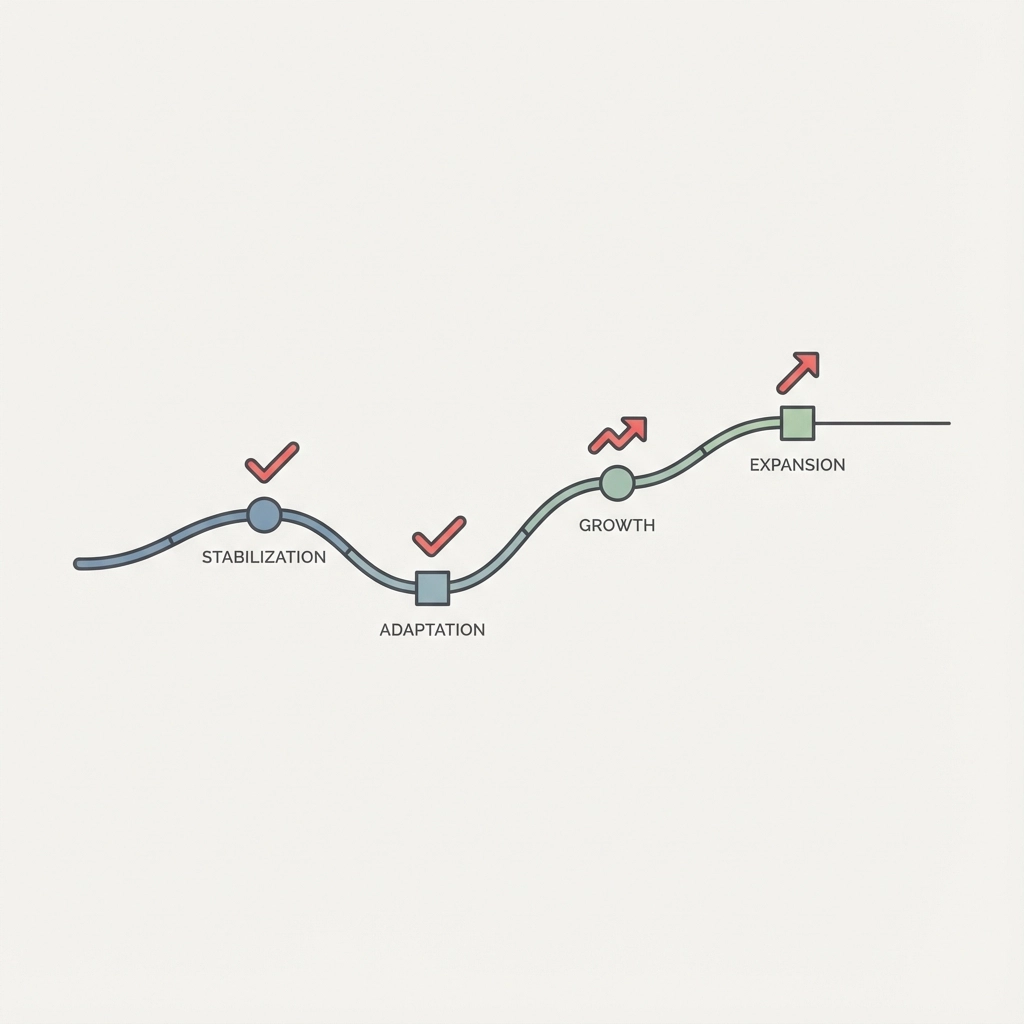
Administrative Drain represents routine, repeatable tasks that consume time without requiring specialized knowledge: email management, appointment scheduling, data entry, invoice processing, and social media posting. These activities are essential but don't require entrepreneurial-level skills or decision-making authority.
The assessment takes five minutes but reveals transformation opportunities that can reclaim 10-20 hours weekly. Most entrepreneurs discover that 40-60% of their daily activities fall into the Administrative Drain category: work that virtual assistants can handle immediately with minimal training.
Immediate Relief Through Strategic Delegation
Virtual assistants can assume Administrative Drain responsibilities within 24-48 hours, providing immediate burnout relief while you maintain focus on Strategic Work and Operational Necessities. This rapid transformation breaks the overwhelm cycle that drives entrepreneurial exhaustion and mental fatigue.
The delegation process begins with identifying three Administrative Drain activities that consume the most time relative to their complexity. Common high-impact targets include email management, appointment coordination, and customer inquiry responses: routine responsibilities that many entrepreneurs handle personally despite their repetitive nature.
Email management alone typically saves 1-3 hours daily when delegated effectively. Virtual assistants can filter important messages, respond to routine inquiries, schedule follow-ups, and flag urgent items that require personal attention. This systematic approach eliminates the constant mental interruption that email monitoring creates while ensuring nothing important gets missed.

Appointment scheduling and calendar management provide additional immediate relief. Virtual assistants can coordinate meeting logistics, handle rescheduling requests, prepare meeting materials, and maintain calendar organization that eliminates the back-and-forth communication that consumes significant time and mental energy.
Building Sustainable Operational Systems
The burnout prevention value extends beyond immediate task relief to sustainable operational system development that prevents future overwhelm. Virtual assistants help establish processes, documentation, and workflows that scale business operations without proportional increases in founder involvement.
Process documentation becomes a natural byproduct of virtual assistant training. As you explain current procedures and expectations, systematic documentation emerges that standardizes operations and enables future scaling. This documentation prevents the knowledge bottleneck that forces entrepreneurs to handle routine decisions personally.
Systematic delegation creates operational leverage that compounds over time. As virtual assistants master initial responsibilities, they can assume additional functions, develop specialized expertise, and contribute process improvements that enhance overall efficiency.
The psychological benefits prove equally important. Knowing that operational necessities are handled competently allows entrepreneurs to focus fully on strategic activities without the mental background stress of accumulating administrative tasks.
The Recovery Timeline: What to Expect
Week 1: Immediate task transfer provides 5-8 hours of reclaimed time and noticeable stress reduction. The mental relief of knowing that email, scheduling, and routine tasks are handled competently creates immediate psychological benefits even before productivity gains become apparent.
Week 2-4: Process refinement and expanded delegation typically reclaim 10-15 hours weekly while establishing sustainable operational rhythms. Virtual assistants develop familiarity with business needs, communication preferences, and quality standards that enable increasingly independent operation.

Month 2-3: Full integration and process optimization can reclaim 15-25 hours weekly while improving overall operational efficiency. Virtual assistants begin contributing process improvements, identifying efficiency opportunities, and handling complex responsibilities that require minimal oversight.
The cumulative effect creates sustainable entrepreneurial capacity that prevents burnout recurrence while enabling business growth. Rather than constantly fighting operational overwhelm, entrepreneurs can maintain focus on strategic development and leadership activities.
Cost-Benefit Analysis of Burnout Prevention
The financial impact of entrepreneur burnout includes reduced decision-making quality, missed opportunities, health impacts, and potential business failure. Studies indicate that burned-out entrepreneurs make 23% more decision errors and miss 31% more growth opportunities compared to well-rested counterparts.
Virtual assistant investment typically ranges from $1,200-3,000 monthly for comprehensive administrative support. Compare this cost to the revenue impact of improved focus, better decision-making, and increased strategic activity capacity. Most entrepreneurs report that reclaimed time generates 3-5x the virtual assistant investment through improved business performance.
The health and lifestyle benefits provide additional value that traditional ROI calculations miss. Reduced stress, improved work-life balance, and sustainable operational capacity contribute to long-term business sustainability and personal well-being.
Implementation Strategy for Immediate Results
Start with a focused pilot project that addresses your highest-impact Administrative Drain activities. Choose 2-3 routine responsibilities that consume significant time but require minimal training to transfer. Email management and appointment scheduling represent ideal starting points for most entrepreneurs.
Provide clear instructions, communication preferences, and success criteria that enable immediate productive contribution. Virtual assistants can begin delivering value within days when given proper context and expectations rather than extensive training programs.
At ENK Professional Services, we specialize in rapid virtual assistant integration that provides immediate burnout relief while building sustainable operational systems. Our proven onboarding framework ensures that entrepreneurs experience stress reduction within the first week while establishing long-term operational excellence.
Ready to prevent entrepreneur burnout and reclaim your strategic focus?Schedule a consultation to discover how virtual assistance can provide immediate relief and sustainable operational support for your business growth objectives.
Remote Work Vs In-House Admin: Which Is Better For Your Growing Business?
The administrative staffing decision represents one of the most critical operational choices for growing businesses, yet most entrepreneurs default to traditional in-house hiring without evaluating remote alternatives systematically. This decision impacts cash flow, operational flexibility, talent access, and scaling capacity in ways that compound over time and influence long-term business sustainability.
Remote administrative support has evolved from cost-cutting necessity to strategic advantage as technology, communication tools, and professional standards have matured. Today's virtual assistants offer specialized skills, advanced technology proficiency, and operational efficiency that often surpass traditional administrative employees while providing superior cost structures and flexibility.
Understanding the comprehensive comparison between remote and in-house administrative support enables informed decisions that align with business growth objectives, operational requirements, and financial constraints.
Cost Analysis: Total Investment Comparison
In-house administrative employees require comprehensive investment beyond salary: benefits, payroll taxes, workers' compensation, office space, equipment, software licenses, and training programs. These additional costs typically add 30-50% to base salary expenses, creating total investment requirements that many growing businesses underestimate during budgeting processes.
Consider a $40,000 annual administrative salary. Add health insurance ($6,000), payroll taxes ($3,200), workers' compensation ($800), office space allocation ($3,600), equipment and software ($2,400), and training costs ($1,000). The true annual investment approaches $57,000: 43% above the base salary figure.
Remote administrative support eliminates most overhead expenses while providing access to equivalent or superior skill levels. Virtual assistants handle their own equipment, software, workspace, and insurance requirements. Businesses pay only for productive work hours without fixed overhead obligations.

The cost differential becomes more pronounced when considering part-time needs. Many growing businesses require 15-25 hours of administrative support weekly but struggle to justify full-time positions. Remote assistance provides precise capacity matching without overstaffing expenses or understaffing operational gaps.
Remote administrative rates typically range from $15-35 per hour for skilled professionals, while in-house positions require full-time commitments regardless of actual workload requirements. This flexibility enables businesses to scale administrative support precisely with business needs rather than making premature hiring decisions.
Talent Pool and Skill Access
Geographic constraints limit in-house hiring to local talent pools, while remote hiring provides access to national and international professional networks. This expanded reach enables businesses to find specialists in specific software platforms, industry verticals, or operational functions that local markets cannot provide.
Remote administrative professionals often possess diverse experience from serving multiple industries and business types. This breadth of exposure creates valuable perspective, best practice knowledge, and problem-solving capabilities that single-company employees typically lack.
The skill development trajectory differs significantly between remote and in-house administrative staff. Virtual assistants invest in continuous learning, technology proficiency, and service diversification to remain competitive in remote marketplaces. In-house employees may develop company-specific knowledge but often lack incentives for broader skill advancement.
Technology proficiency represents a particular strength of remote administrative professionals. They utilize advanced communication tools, project management platforms, automation software, and productivity applications daily, bringing this expertise to client relationships.
Operational Flexibility and Scaling
Remote administrative support provides unparalleled operational flexibility for growing businesses with fluctuating demands, seasonal variations, or expansion requirements. Virtual assistants can increase or decrease availability based on business cycles without termination complications or hiring delays.
Scaling scenarios favor remote administrative support dramatically. Adding in-house staff requires recruitment time, onboarding investment, workspace preparation, and equipment procurement. Remote scaling can occur within days through existing virtual assistant networks or service providers.
Geographic expansion becomes significantly easier with remote administrative infrastructure already in place. Businesses can enter new markets without establishing local offices or navigating regional employment regulations. Virtual assistants can provide market research, customer service, and operational support for expansion initiatives without physical presence requirements.
The flexibility extends to specialized project requirements. Businesses can access marketing specialists, bookkeeping experts, or customer service professionals for specific initiatives without long-term employment commitments.
Management and Communication Considerations
Remote administrative management requires different approaches than traditional supervision, emphasizing results-based evaluation over activity monitoring. This shift often improves overall productivity by focusing on outcomes rather than hours worked or physical presence.
Communication systems become more important and more systematic with remote teams. Businesses must establish clear protocols, reporting structures, and collaboration tools that actually improve overall organizational communication compared to informal in-house arrangements.
The documentation requirements for remote management create valuable business assets. Process documentation, communication standards, and performance metrics developed for virtual assistant management improve overall operational consistency and scalability.
Remote work eliminates office distractions, commute stress, and workplace social dynamics that can reduce productivity. Many virtual assistants report higher focus levels and work quality when operating from optimized home office environments.

Security and Quality Control
Data security concerns often drive businesses toward in-house administrative staff, yet remote professionals frequently maintain superior security protocols due to regulatory requirements and professional liability considerations. Established virtual assistant service providers implement enterprise-grade security measures that exceed typical small business capabilities.
Quality control systems become more systematic with remote administrative support. Clear performance metrics, regular reporting, and outcome-based evaluation create accountability structures that benefit both parties and improve overall service quality.
The professional standards in remote administrative services have elevated significantly as the industry has matured. Established providers maintain rigorous vetting processes, ongoing training programs, and quality assurance systems that ensure consistent service delivery.
Long-Term Strategic Implications
The administrative staffing decision influences business culture, operational complexity, and growth capacity in ways that compound over time. Remote administrative support enables businesses to maintain lean operational structures while accessing professional capabilities that support scaling initiatives.
Remote-first operational models prepare businesses for future workforce trends and technological advancement. Companies that master remote collaboration early gain competitive advantages in talent access, operational efficiency, and cost management.
The investment in remote administrative systems creates reusable infrastructure for future scaling, geographic expansion, and specialized project requirements. These capabilities become strategic assets that enable business opportunities beyond current operational needs.
Making the Right Choice for Your Business
The optimal administrative staffing approach depends on specific business requirements, growth projections, and operational preferences rather than universal best practices. Consider your industry requirements, communication preferences, management capacity, and long-term business objectives.
At ENK Professional Services, we help growing businesses evaluate administrative staffing options systematically and implement remote support solutions that provide maximum operational benefit while maintaining quality standards and communication excellence.
Ready to evaluate remote vs. in-house administrative options for your growing business?Schedule a consultation to assess your specific needs and discover how virtual administrative support can provide superior value and flexibility for your business growth objectives.
Stop Wasting Time on Admin Tasks: Try These 7 VA Automation Hacks
Administrative tasks consume 68% of the average entrepreneur's working hours, yet most of these activities can be automated or delegated through strategic virtual assistant integration combined with smart workflow design. The key lies not in working harder or finding more hours in the day, but in systematically eliminating repetitive tasks through proven automation frameworks that virtual assistants can implement immediately.
Virtual assistants excel at automation implementation because they understand workflow optimization, possess technical skills for tool integration, and maintain objective perspectives on process inefficiencies that business owners often overlook. Unlike entrepreneurs who become attached to existing methods, VAs approach operational challenges with fresh eyes and automation-first mindsets.
These seven automation hacks represent proven strategies that virtual assistants can implement quickly to eliminate routine administrative burden while improving accuracy, consistency, and operational efficiency.
Hack #1: Email Automation and Response Templates
Email management represents the largest time drain for most entrepreneurs, yet 80% of email interactions follow predictable patterns that can be automated or templated. Virtual assistants can create comprehensive email automation systems that handle routine correspondence, appointment requests, information inquiries, and follow-up sequences automatically.
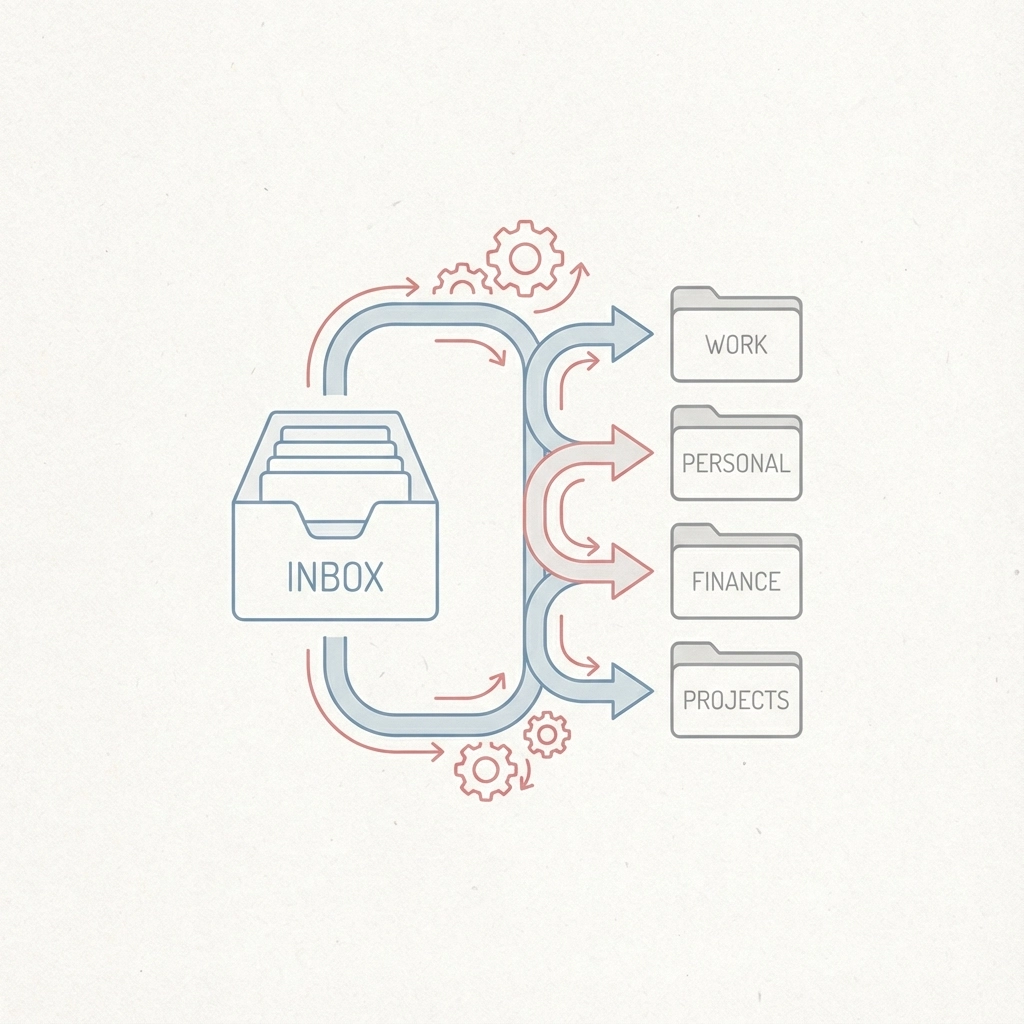
Automated email sorting and filtering systems eliminate the need to review every incoming message manually. Virtual assistants can configure rules that route emails to appropriate folders, flag urgent communications, forward specific inquiry types to relevant team members, and archive promotional content automatically.
Template libraries for common responses enable quick, professional communication without drafting unique messages for routine inquiries. VAs can develop comprehensive template collections covering appointment scheduling, information requests, pricing inquiries, follow-up communications, and customer service responses that maintain personal touch while eliminating composition time.

Automated follow-up sequences ensure that important communications don't fall through cracks without requiring manual tracking. Virtual assistants can implement systems that automatically send reminders for pending responses, schedule check-in messages for ongoing projects, and trigger follow-up communications based on specific time intervals or action triggers.
The compound time savings from email automation typically range from 1-3 hours daily, while improving response consistency and reducing the mental stress of email management.
Hack #2: Calendar and Appointment Automation
Appointment scheduling consumes significant administrative time through back-and-forth communication, availability checking, and calendar coordination. Virtual assistants can implement automated scheduling systems that eliminate this coordination overhead while providing superior customer experience.
Online scheduling integration allows clients and prospects to book appointments directly based on real-time availability without email exchanges or phone coordination. VAs can configure systems that sync with existing calendars, apply business rules for appointment types, require necessary information collection, and send automatic confirmations with meeting details.
Buffer time automation prevents over-scheduling and ensures adequate preparation time between appointments. Virtual assistants can configure automatic time blocks around important meetings, travel time for in-person appointments, and preparation periods for complex discussions.
Meeting preparation automation streamlines the logistical requirements for productive meetings. VAs can create systems that automatically generate meeting agendas, compile relevant documents, research attendee backgrounds, and prepare briefing materials based on appointment types and participant information.
The scheduling automation eliminates 3-5 hours of weekly coordination time while improving customer satisfaction through streamlined booking experiences and professional meeting preparation.
Hack #3: Customer Relationship Management (CRM) Automation
Customer relationship management requires systematic data tracking, communication logging, and follow-up coordination that virtual assistants can automate comprehensively. Proper CRM automation ensures that no prospect or customer interaction falls through cracks while providing valuable business intelligence for decision making.
Automated contact creation and data entry eliminates manual information transcription from various sources. Virtual assistants can configure systems that automatically create contact records from email signatures, website form submissions, social media connections, and business card scanning applications.
Communication history tracking provides complete interaction records without manual logging requirements. VAs can implement systems that automatically record email exchanges, phone call summaries, meeting notes, and project updates within customer profiles for comprehensive relationship history.
Automated follow-up scheduling ensures consistent customer communication without manual reminder systems. Virtual assistants can create automation that triggers follow-up tasks based on last contact dates, project milestones, or customer lifecycle stages.
Hack #4: Social Media and Content Automation
Social media management and content distribution require consistent attention that virtual assistants can automate while maintaining authentic brand voice and engagement quality. Strategic automation enables regular content publication, audience engagement, and brand presence without daily manual management.
Content scheduling automation allows businesses to maintain consistent social media presence without daily posting requirements. Virtual assistants can develop content calendars, schedule posts across multiple platforms, and implement automation that publishes content at optimal engagement times.
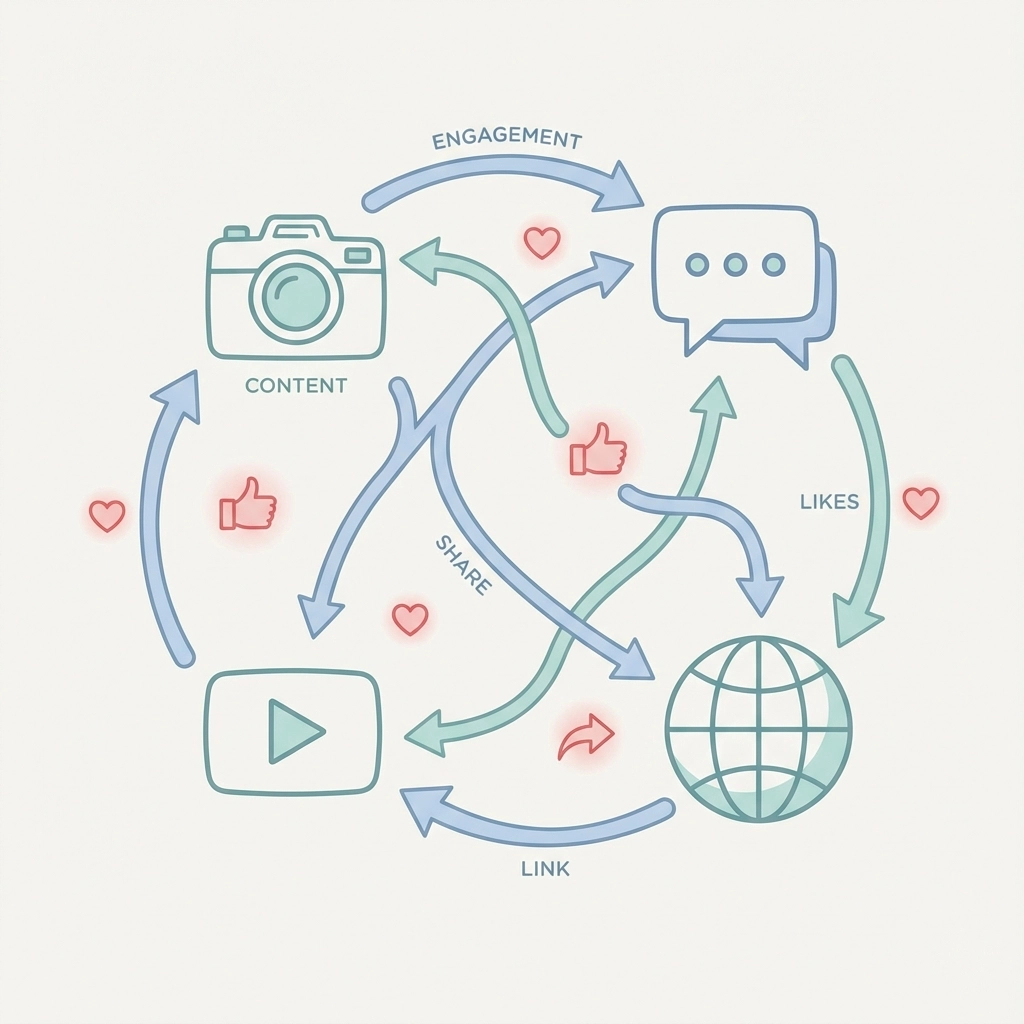
Engagement monitoring automation ensures that customer inquiries, comments, and mentions receive timely responses without constant platform monitoring. VAs can configure alert systems that notify relevant team members of engagement opportunities and implement response templates for common inquiries.
Content repurposing automation maximizes the value of existing content by adapting it for multiple platforms and formats. Virtual assistants can create systems that automatically resize images, modify text for platform requirements, and schedule content variations across different channels.
Hack #5: Invoice and Payment Processing Automation
Financial administration tasks like invoicing, payment tracking, and accounts receivable management can be largely automated through virtual assistant implementation of appropriate systems and workflows. This automation improves cash flow management while eliminating routine bookkeeping tasks.
Automated invoice generation eliminates manual invoice creation for recurring services, completed projects, or scheduled billing arrangements. Virtual assistants can configure systems that generate invoices based on project completion, time tracking data, or recurring service schedules.
Payment reminder automation ensures timely payments without manual follow-up requirements. VAs can implement systems that automatically send payment reminders at specified intervals, escalate overdue accounts through appropriate communication sequences, and flag accounts requiring personal attention.
Expense tracking automation simplifies financial record keeping through automated categorization and documentation. Virtual assistants can implement systems that automatically import bank transactions, categorize expenses based on predetermined rules, and generate expense reports for accounting purposes.
Hack #6: Document and File Management Automation
Document organization, file naming, and information storage require systematic approaches that virtual assistants can automate to eliminate search time and ensure information accessibility. Proper automation creates organized digital infrastructure that supports efficient business operations.

Automated file organization eliminates manual document sorting through rule-based filing systems. Virtual assistants can configure automation that sorts documents by type, date, client, or project automatically based on file names, content, or source locations.
Version control automation ensures that teams work with current document versions while maintaining historical records for reference. VAs can implement systems that automatically archive old versions, notify team members of updates, and maintain centralized document repositories.
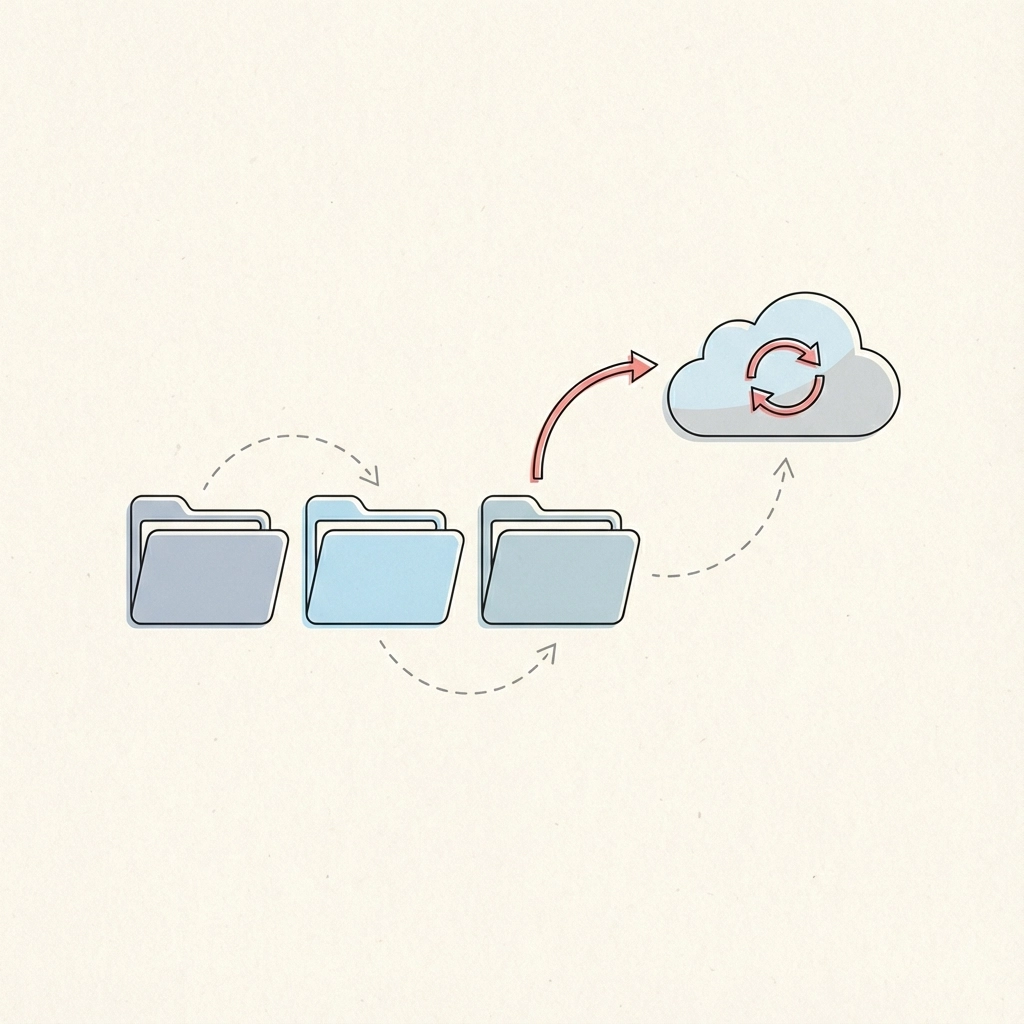
Backup and sync automation protects important business information through systematic backup procedures and cross-platform synchronization. Virtual assistants can configure automated backup systems that ensure critical documents remain accessible and protected without manual intervention.
Hack #7: Reporting and Analytics Automation
Business intelligence and performance tracking require regular data compilation that virtual assistants can automate to provide consistent insights without manual report generation. Automated reporting ensures that decision makers receive timely, accurate information for strategic planning.
Automated dashboard creation provides real-time business performance visibility through systematically updated dashboards that compile data from multiple sources automatically. Virtual assistants can configure systems that track key performance indicators, financial metrics, and operational data in centralized, easily accessible formats.
Scheduled report generation ensures that stakeholders receive consistent updates on business performance, project status, and operational metrics without manual compilation requirements. VAs can implement systems that automatically generate and distribute reports at specified intervals with relevant data and analysis.
Performance alert automation enables proactive business management through automated notifications when key metrics exceed predetermined thresholds. Virtual assistants can configure systems that monitor business performance indicators and alert appropriate team members when attention is required.
Implementation Strategy for Maximum Impact
Successful automation implementation requires systematic approaches that address current pain points while building scalable infrastructure for future growth. Start with the automation hack that addresses your highest-impact time drain, then expand to additional areas as systems mature and virtual assistant capacity develops.
At ENK Professional Services, our virtual assistants specialize in automation implementation that provides immediate time savings while building sustainable operational systems. We help businesses identify optimization opportunities, implement appropriate tools, and develop workflow automation that eliminates administrative burden comprehensively.
Ready to eliminate administrative time waste through strategic automation?Schedule a consultation to discover how our automation expertise can help you reclaim significant time while improving operational efficiency and business performance.
The Small Business Owner's Guide to Scaling Without Stress in 2025
Small business scaling traditionally requires choosing between rapid growth and operational sanity, yet this false dichotomy ignores proven strategies that enable sustainable expansion without overwhelming business owners. The key lies in building operational leverage through strategic resource allocation, systematic process development, and intelligent delegation that multiplies capacity without multiplying stress.
The most successful small business scaling initiatives focus on operational efficiency and strategic leverage rather than simply working more hours or hiring additional full-time staff. This approach enables businesses to handle increased demand, expand into new markets, and improve service quality while maintaining manageable workloads and sustainable stress levels.
Understanding the systematic approaches to stress-free scaling enables small business owners to pursue growth opportunities confidently while maintaining the operational control and work-life balance that motivated their entrepreneurial journey.
Foundation Building: Systems Before Scaling
Sustainable scaling requires operational foundation development that can support increased business volume without proportional increases in management complexity. Most scaling failures result from attempting to grow without adequate systems, processes, and infrastructure to handle expanded operations efficiently.
Process documentation represents the cornerstone of scalable operations. Every routine business activity should have clear, step-by-step procedures that enable consistent execution regardless of who performs the work. This documentation prevents the knowledge bottleneck that forces business owners to handle every decision personally as operations expand.
Standardized communication protocols ensure that customer interactions maintain quality and consistency as business volume increases. Virtual assistants can help develop communication templates, response procedures, and escalation protocols that preserve personal service quality while enabling delegation of routine interactions.
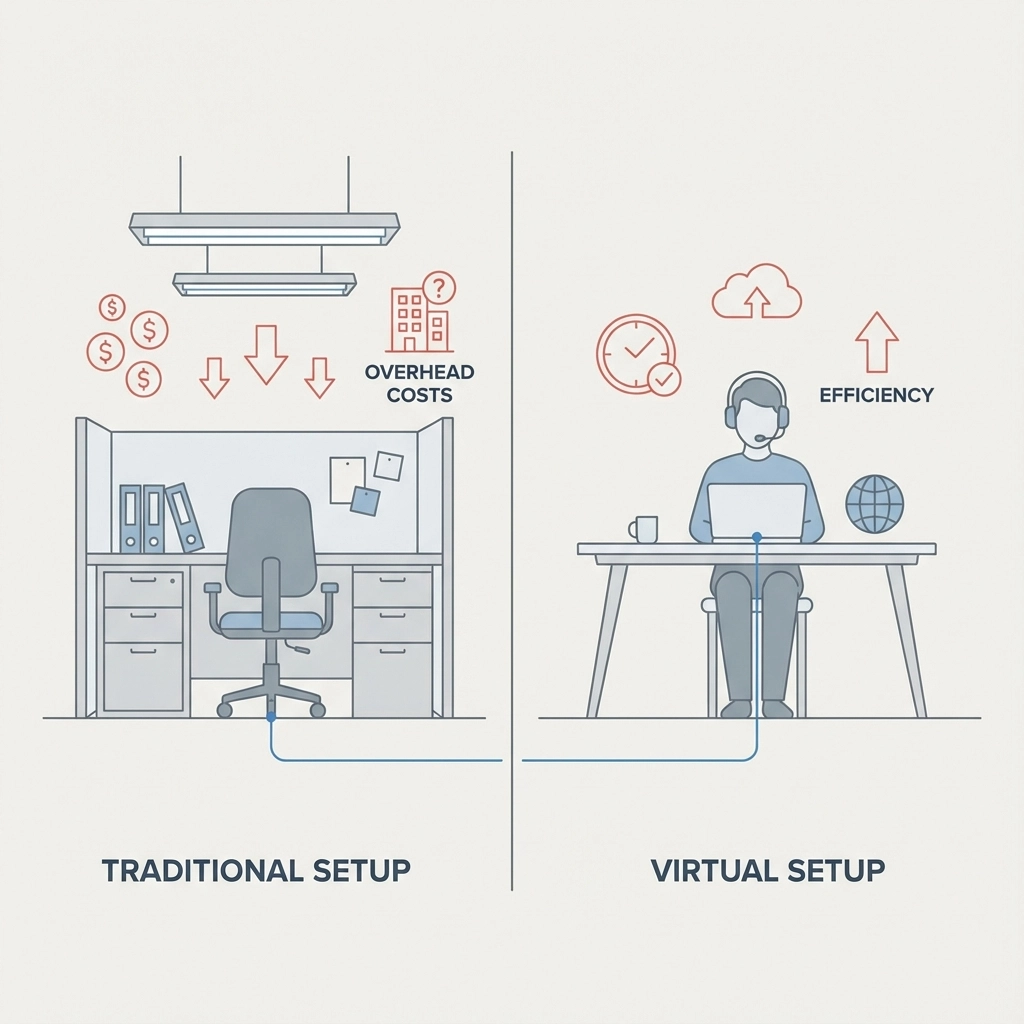
Quality control systems enable businesses to maintain service standards while expanding capacity through additional resources. Clear performance metrics, regular review procedures, and feedback mechanisms ensure that growth doesn't compromise the service quality that built initial business success.
The systematic foundation development typically requires 30-60 days of focused attention but creates operational infrastructure that supports years of sustainable growth without constant revision or management intervention.
Operational Leverage Through Virtual Assistant Integration
Virtual assistants provide the most cost-effective and flexible scaling solution for small businesses seeking growth without the complexity and overhead of traditional employment. This approach enables businesses to access specialized skills, increase operational capacity, and improve service quality while maintaining lean organizational structures.
Administrative task delegation immediately creates time for strategic activities by transferring routine responsibilities to qualified professionals. Email management, appointment scheduling, customer inquiry responses, and data entry represent high-impact delegation opportunities that provide immediate operational relief.
Specialized skill access through virtual assistant networks enables small businesses to compete with larger organizations by accessing marketing expertise, technical support, financial analysis, and customer service capabilities without full-time hiring costs or management complexity.
Flexible capacity management allows businesses to scale support precisely with demand fluctuations, seasonal variations, and growth phases. Virtual assistants can increase or decrease availability based on business needs without termination complications or hiring delays that traditional employment requires.

The operational leverage compounds over time as virtual assistants develop business-specific knowledge, contribute process improvements, and assume increasingly complex responsibilities that enhance overall operational efficiency.
Technology Integration for Scalable Growth
Modern technology platforms enable small businesses to compete effectively with larger organizations while maintaining operational simplicity and cost efficiency. Strategic technology adoption creates automation capabilities, improves communication efficiency, and provides business intelligence that supports informed scaling decisions.
Customer Relationship Management (CRM) systems provide scalable infrastructure for customer interaction tracking, sales pipeline management, and communication coordination that eliminates manual record-keeping while improving customer service quality and business intelligence.
Communication and collaboration platforms enable distributed team coordination, project management, and information sharing that supports remote work integration and virtual assistant collaboration while maintaining operational visibility and control.
Automation tools for routine processes eliminate repetitive tasks while ensuring consistency and accuracy in business operations. Email automation, appointment scheduling, social media management, and financial reporting can be systematically automated to reduce manual workload while improving service quality.
The technology integration investment typically pays for itself within 60-90 days through operational efficiency gains while creating scalable infrastructure for future growth initiatives.
Financial Management for Sustainable Growth
Cash flow management becomes critical during scaling phases as businesses balance growth investment requirements with operational stability needs. Virtual assistant integration provides predictable, flexible cost structures that enable growth without the financial risk of permanent overhead increases.
Operational expense flexibility through virtual assistant utilization enables businesses to invest in growth initiatives while maintaining cost control. Unlike traditional employment that requires fixed salary commitments regardless of business performance, virtual assistance provides variable expense structures that scale with actual business needs.

Revenue optimization through improved operational efficiency and customer service quality often generates growth that funds additional scaling investments. Virtual assistants can help identify revenue enhancement opportunities, improve customer retention, and streamline operations that increase profitability without additional investment.
Financial monitoring and reporting automation provides real-time visibility into business performance that enables informed scaling decisions. Virtual assistants can implement financial tracking systems that provide regular performance updates and alert business owners to opportunities or concerns requiring attention.
Customer Experience Enhancement During Growth
Maintaining exceptional customer experience during scaling phases requires systematic approaches to communication, service delivery, and quality control that virtual assistants can help implement and manage. Growth that compromises customer satisfaction ultimately undermines long-term business success.
Response time consistency becomes challenging as business volume increases, yet virtual assistant support can provide extended-hours coverage and systematic response protocols that maintain or improve customer communication quality during growth phases.
Service quality standardization through documented procedures and training programs ensures that expanded operations maintain the service excellence that built initial customer loyalty. Virtual assistants can help develop and implement quality standards that scale consistently.
Customer feedback systems provide valuable insights into service quality and improvement opportunities during scaling phases. Virtual assistants can implement feedback collection, analysis, and response systems that ensure customer voices inform business development decisions.
Risk Management and Stress Prevention
Scaling stress typically results from operational overwhelm, quality control concerns, and financial uncertainty rather than growth itself. Strategic planning and systematic implementation prevent most scaling stress while enabling confident business expansion.
Graduated expansion approaches enable businesses to test operational capacity, refine processes, and build confidence before committing to major scaling investments. Starting with pilot programs, limited expansion, or specific market segments allows for learning and adjustment without overwhelming existing operations.
Contingency planning for growth scenarios provides confidence and reduces anxiety about potential challenges. Virtual assistants can help develop operational plans for various growth scenarios, ensuring that businesses are prepared for success without being overwhelmed by it.
Performance monitoring systems provide early warning indicators of operational stress or quality issues that require attention before they become major problems. Regular metrics review and feedback systems enable proactive management rather than reactive problem-solving.
Implementation Timeline for Stress-Free Scaling
Month 1-2: Foundation Development - Focus on process documentation, system implementation, and virtual assistant integration that creates operational leverage and reduces current stress levels.
Month 3-4: Capacity Building - Expand virtual assistant responsibilities, implement automation tools, and optimize operational efficiency to create capacity for growth initiatives.
Month 5-6: Strategic Growth - Launch expansion initiatives supported by systematic operational infrastructure that can handle increased demand without overwhelming existing resources.
The systematic approach ensures that scaling enhances rather than compromises business owner satisfaction and operational control.
At ENK Professional Services, we specialize in helping small businesses achieve sustainable scaling through strategic virtual assistant integration, operational system development, and stress-prevention planning that enables confident growth without operational overwhelm.
Ready to scale your business without stress in 2025?Schedule a consultation to discover how our systematic scaling approach can help you achieve growth objectives while maintaining operational sanity and work-life balance.

Comments